

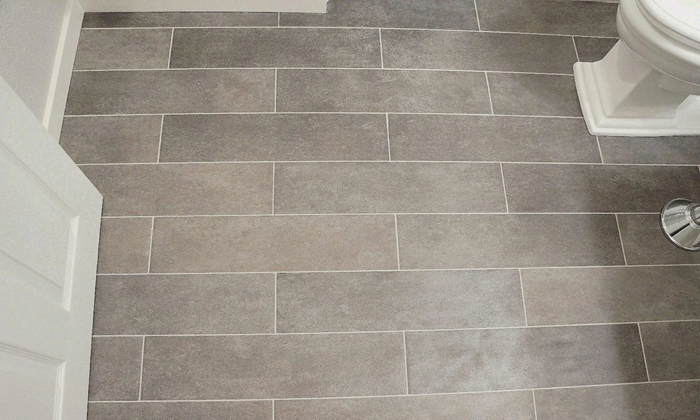
Bathroom floor tiles are prized for their practicality: they easily withstand water, temperature fluctuations, and regular cleaning. When installed correctly, tiles last for decades without losing their appearance or requiring complex maintenance.
The key to durability lies not only in the quality of the material but also in the correct technology: substrate preparation, proper waterproofing, and the correct selection of adhesives and grout. These steps are especially important in conditions of constant humidity, typical of rooms where bathroom remodeling charlotte nc is being carried out.
Advantages of floor tiles in the bathroom
- Moisture resistance. Tiles are not affected by direct contact with water, and with proper grouting and sealing of joints, they protect the base from moisture penetration.
- Wear resistance. Floor tiles are designed to withstand foot traffic and household impacts, especially when choosing the appropriate wear resistance class.
- Hygienic. The smooth surface is easy to clean and does not absorb odors and dirt.
- Fire safety. Ceramics do not burn and do not support combustion.
- Design and variability. You can choose a format, pattern, imitation stone, or Wood, and also combine layouts.
- Compatibility with underfloor heating. Tile conducts heat well and is suitable for underfloor heating systems.
Advantages of tiled floors in high humidity conditions
Tiled floors in bathrooms are valued primarily for their resistance to constant moisture and temperature fluctuations. When properly installed and sealed, the flooring does not swell or warp, and maintains its appearance even with daily contact with water.
Humid environments place increased demands on hygiene and safety, so material properties such as low water absorption, chemical resistance to household products, and the ability to create a non-slip surface are important. These qualities make tiles a practical solution for rooms with high humidity.
Summary: Why tiles are a rational choice for the bathroom
- Moisture resistance: tiles do not absorb water (especially porcelain stoneware and low-porosity ceramics), and the base is protected by waterproofing and grout.
- Durability: resistance to abrasion, temperature fluctuations, and loads allows the coating to serve for years without replacement.
- Hygienic: the smooth surface is easy to clean, does not retain odors, and is less conducive to mold growth if the grout is properly finished.
- Safety: you can choose tiles with anti-slip properties (matte, textured, with an increased coefficient of adhesion) and properly arrange the slope to Plum.
- Chemical resistance: Most cleaning products do not damage tiles; it’s important to choose the right grout and avoid harsh products for sensitive materials.
- Aesthetics and repairability: A wide selection of formats and textures, and in case of localized damage, replacing 1-2 tiles is often enough.